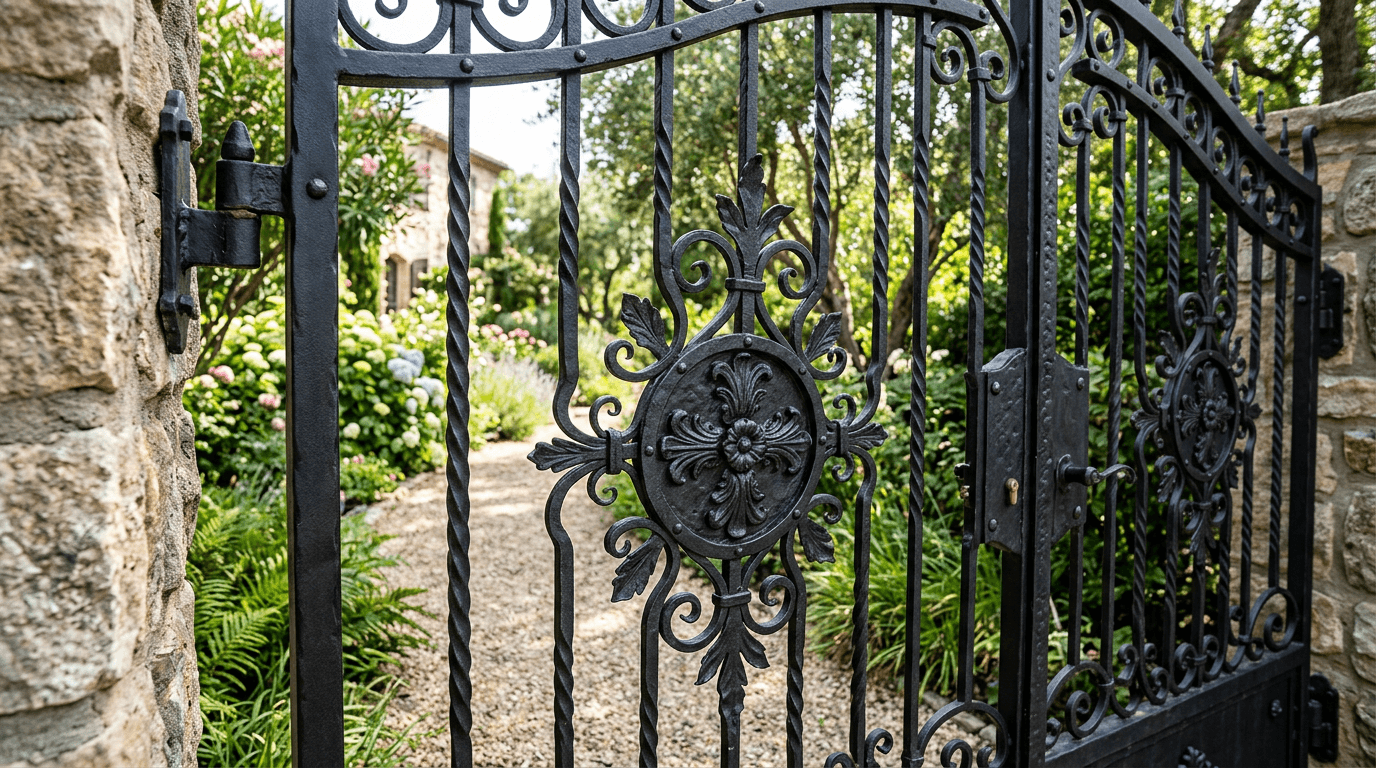
Custom fabrication
Custom Iron Gates
Designed to your opening and style, from hand-formed scrollwork to clean modern lines.
Installation
A driveway gate has to look right, open easily and keep working through Texas heat, storms and daily use. We help you choose the right layout, then fabricate and install it at your property.
Every day, 8:00 AM–8:00 PM
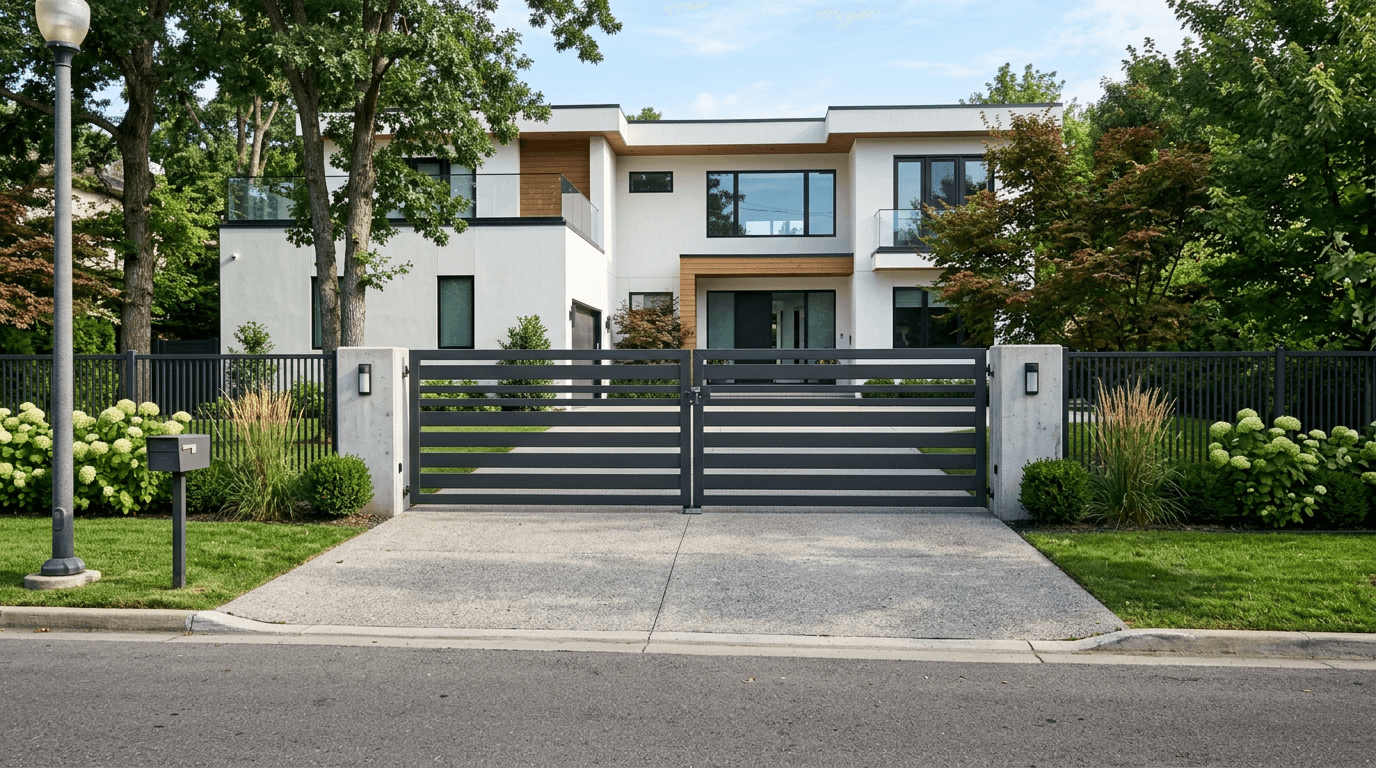
Most driveway gate decisions come down to space and use. How much room is there for a gate to swing? Is the driveway sloped? Do cars wait at the gate while it opens, or does it only close at night? Answering these first prevents the most common regrets.
We install driveway gates in steel and aluminum, in solid, slatted and open-picket designs. Swing gates suit many residential driveways with room to open inward or outward. Sliding gates fit where space is tight or the slope makes swinging impractical.
This page focuses on the practical choices around a driveway gate: size, layout and construction. If you want a one-of-a-kind decorative design, see custom iron gates. If your gate already exists and needs work, see gate repair.
Where it applies
Why customers call
Design, materials and finish
Swing gates need clear arc space and a reasonably level approach. Sliding gates need room along the fence line for the gate to travel when open.
Wide openings are often split into two leaves so each leaf is lighter, easier to hang and less prone to sagging.
Steel is strong and common. Aluminum is lighter and corrosion-resistant but is not always right for wide, heavy-use gates.
Slope, drainage and soil movement affect how a gate clears the ground. Gate height at the bottom rail is planned around them.
You do not need exact figures to start. A rough width between pillars or posts, a photo from the street and a photo along the fence line are enough to talk through options. We confirm final measurements before fabrication.
It helps to think about vehicles too. If you drive a large truck or tow a trailer, tell us. Opening width, post placement and gate type should suit the biggest vehicle that uses the drive regularly.
How the work goes
Step 1
Call to discuss width, slope, space on either side of the opening and whether you want automation now or later.
Step 2
We help you choose swing or sliding, material and appearance, and review the scope of the work and post conditions.
Step 3
The gate and any new posts are fabricated and finished to the confirmed dimensions.
Step 4
Posts and gate are set and aligned, hinges or rollers are adjusted, and the latch is checked for proper closing.
Scope and pricing
Every project is different, so pricing depends on the details. These are the factors that shape the work.
Questions
It depends on available space. Swing gates need room for the leaf to open; sliding gates need clear fence line beside the opening. Sloped driveways can make one option clearly better, and we will talk it through.
Often, yes. The pillars need to be sound, plumb and strong enough for the gate hardware. We review them before agreeing to hang a gate.
Steel with a quality finish is the most common choice because it is strong and weldable. Aluminum is lighter and corrosion-resistant. The right answer depends on gate width and how often it is used.
Yes. Gates can be built to accept an operator now or later. Operators and access control are covered on our automatic gates page.
Requirements vary by property, neighborhood and the type of gate. We review project requirements and applicable approvals for the specific job rather than assume one answer fits every address.
Related services
Custom fabrication
Designed to your opening and style, from hand-formed scrollwork to clean modern lines.
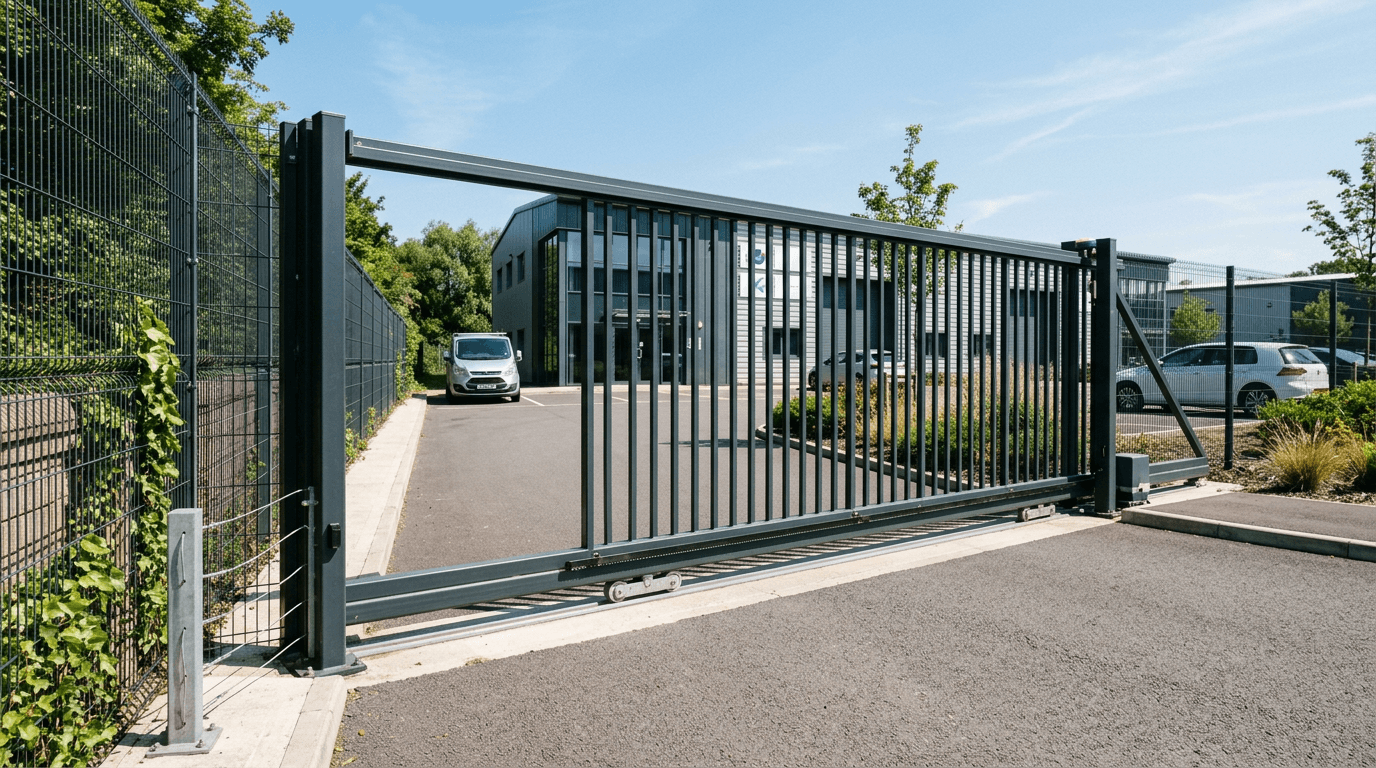
Installation
Cantilever and rolling gates for tight spaces, wide openings and frequent use.
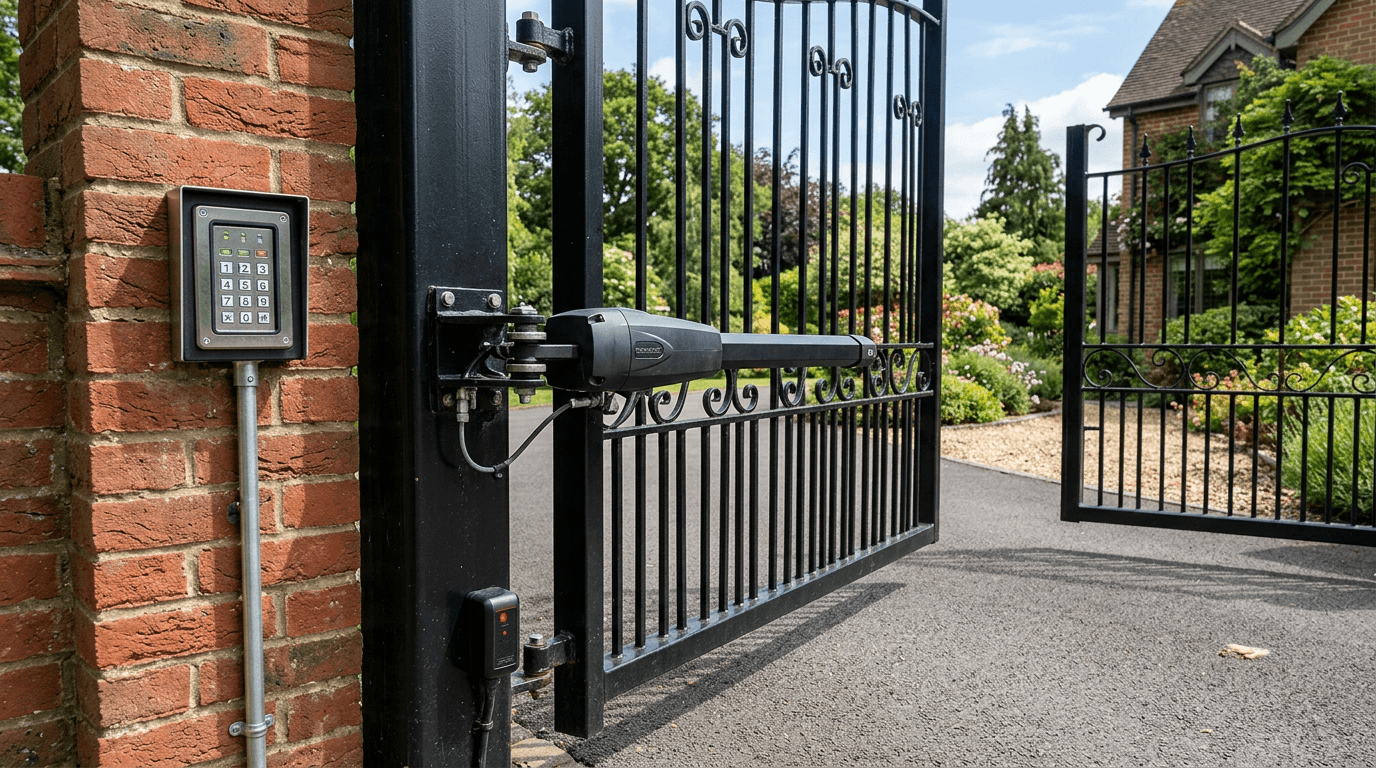
Installation & repair
Operators, keypads and remotes for swing and sliding gates, plus opener service.
Installation
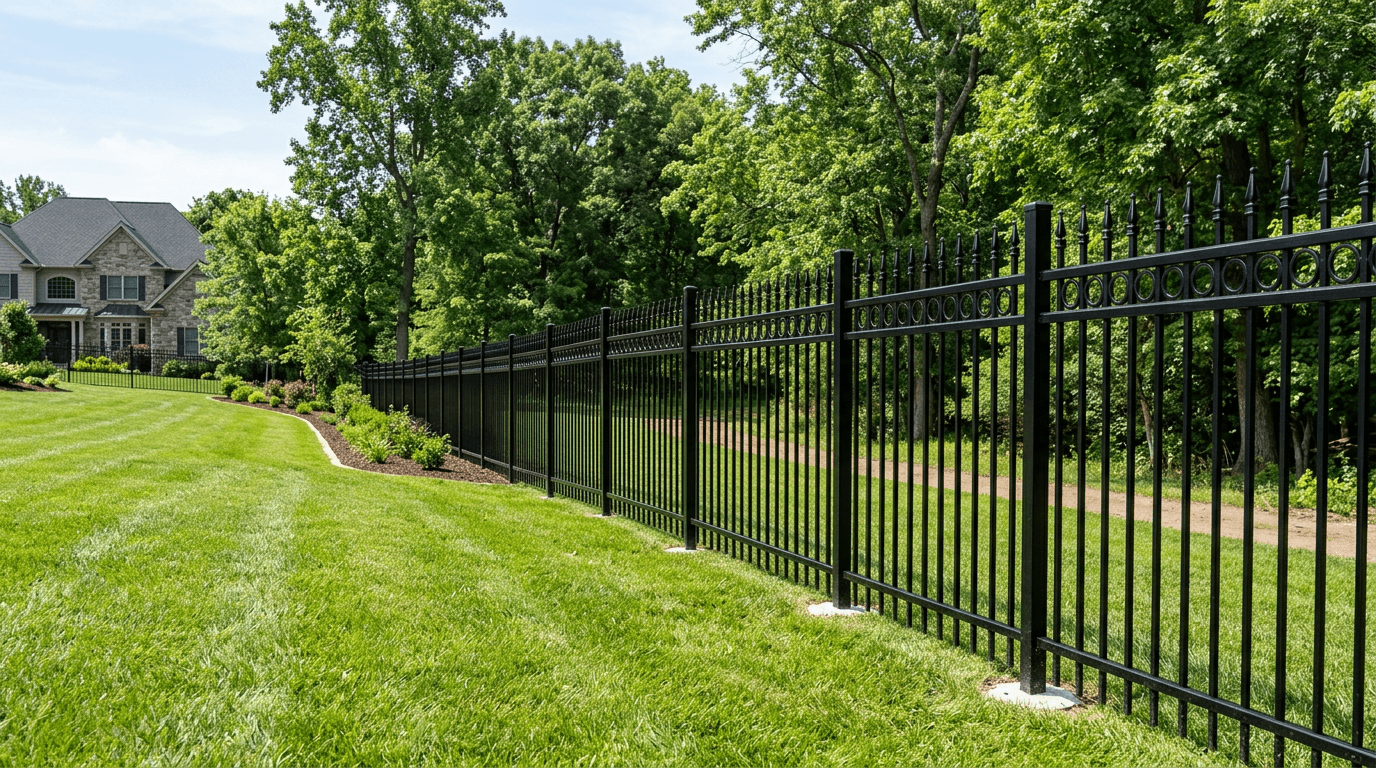
Ornamental and security fencing, with posts, gates and finishes planned as one system.
Alpha Iron Work is based in Dallas and serves the whole metroplex. These service area pages offer more guidance for planning work in specific cities.
Call to discuss the work, the location, approximate dimensions, materials and scheduling. We will tell you what the job involves and what to expect next.
Every day, 8:00 AM–8:00 PM Central Time