Installation & repair
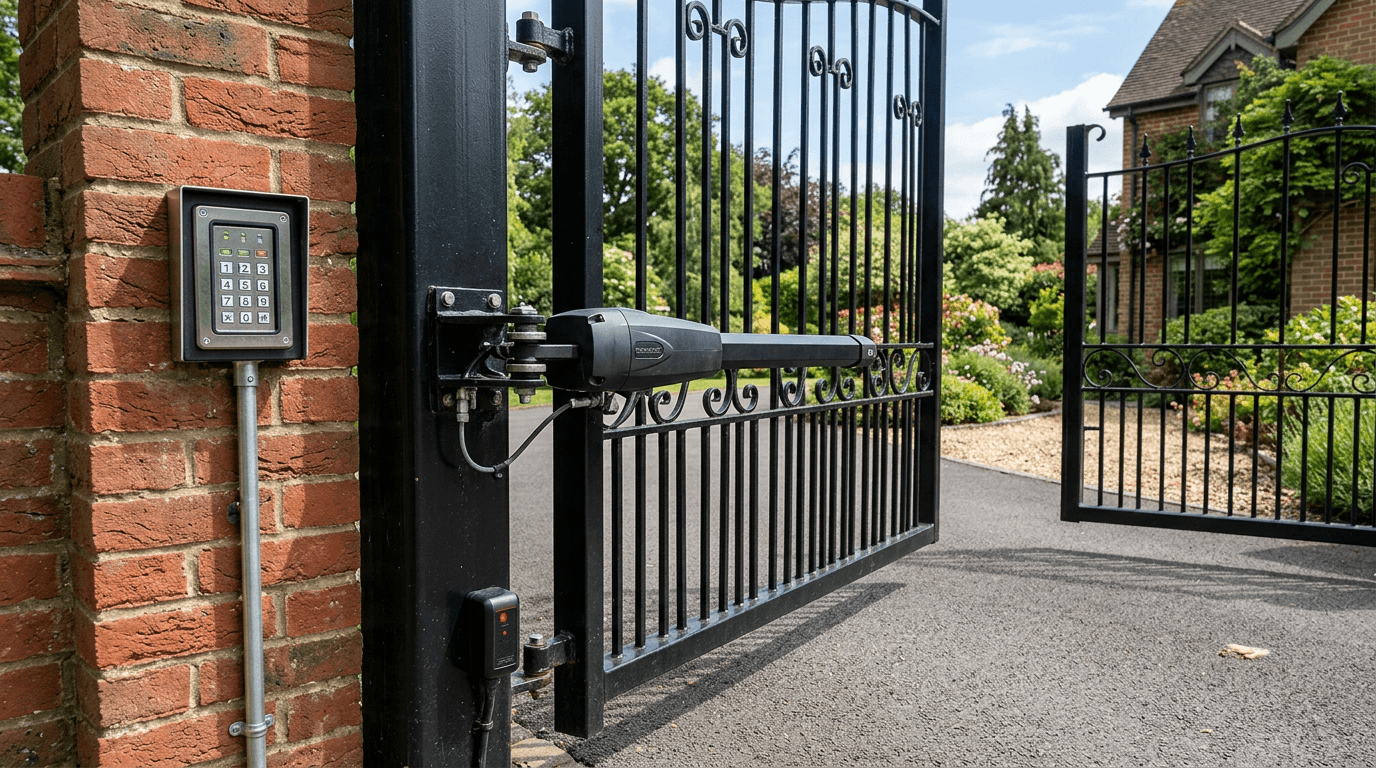
Automatic Gates & Gate Opener Services
Operators, keypads and remotes for swing and sliding gates, plus opener service.
Installation
When there is not enough room for a gate to swing, or when wide openings and heavy use call for a different approach, a sliding gate is often the better answer. We fabricate and install them across DFW.
Every day, 8:00 AM–8:00 PM
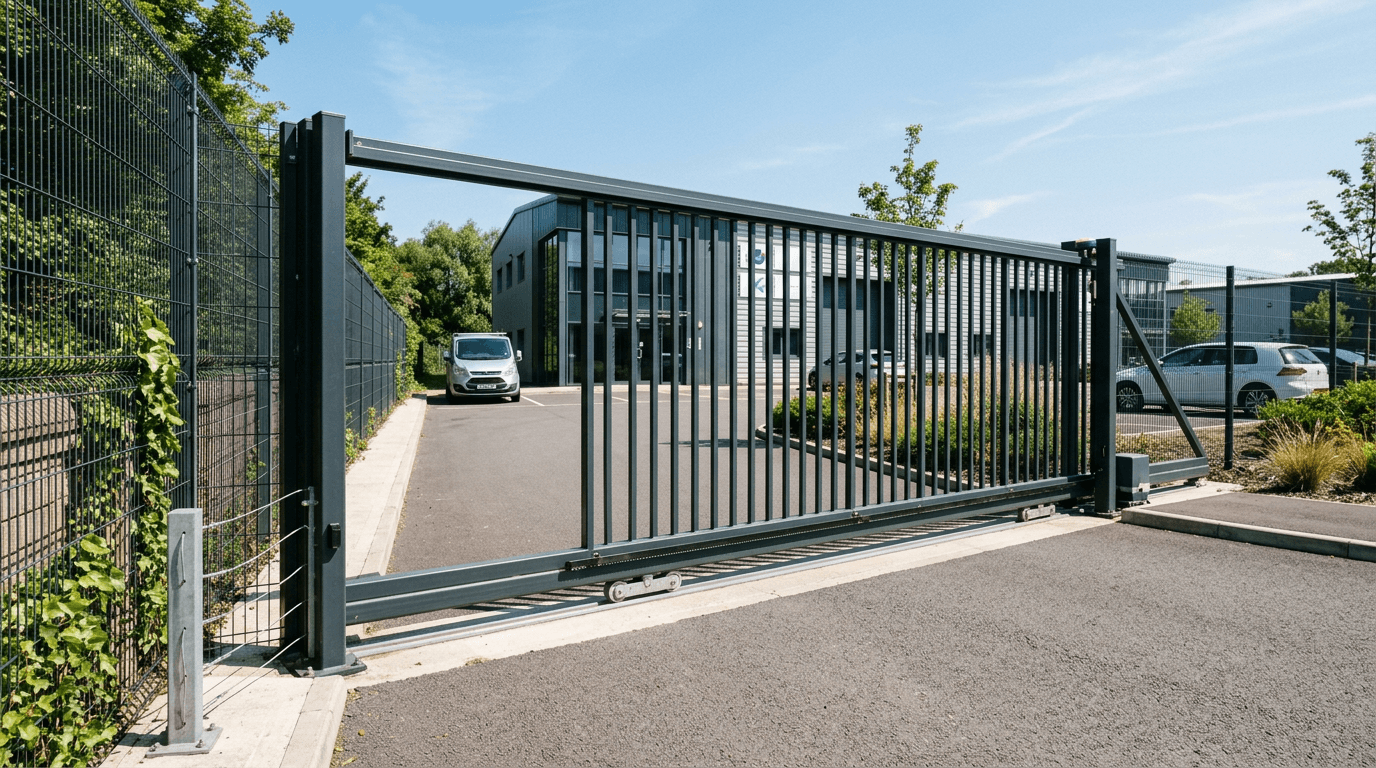
A sliding gate moves parallel to the fence line instead of swinging outward. That makes it a strong choice for driveways that slope, entrances close to the street, and openings wide enough that a swing gate would be unwieldy.
The main design question is how the gate is supported. A cantilever gate extends beyond its opening and rolls on carriages mounted to posts, so nothing runs along the ground. A track gate rolls on a groove or rail set into the pavement. Each suits different conditions.
Because sliding gates are heavy and usually motorized, planning matters. Space for the gate to retract, a solid foundation for posts, and safe operator installation all affect the result. For operator and access-control details, see automatic gates.
Sliding gates, especially automated ones, involve moving mass and safety devices. Project requirements, design coordination, safety considerations and applicable approvals are reviewed for the specific job.
Where it applies
Why customers call
Design, materials and finish
Roll on carriages without a ground track, keeping the path clear of debris. They need a counterweight section behind the opening.
Run on a rail or groove at ground level. They can be economical but need the track kept clear of dirt and debris.
Open pickets, horizontal slats, solid panels or a combination, to match the property style.
Most sliding gates are motorized. Options include keypads, remotes, intercoms and vehicle detection.
A sliding gate needs room along the fence line, roughly equal to the opening width, for the gate to retract. Cantilever gates need still more for the counterweight section. If that space is occupied by landscaping, utilities or a neighboring structure, the plan may need to change. Photographs of the fence line beside the opening help us assess this on the first call.
How the work goes
Step 1
Call to describe width, slope, fence line length beside the opening and how often the gate will be used.
Step 2
We review gate type, post and foundation requirements, operator selection and safety devices for the specific job.
Step 3
The gate frame, infill and supporting posts are fabricated and finished.
Step 4
Posts, carriages or track, and the operator are installed, aligned and tested through full cycles.
Scope and pricing
Every project is different, so pricing depends on the details. These are the factors that shape the work.
Questions
Plan for clear space along the fence line roughly equal to the opening width, and more for cantilever designs that include a counterweight section. We assess this from photos and measurements.
Cantilever gates avoid a ground track that can collect debris. Track gates can suit some sites well. The right choice depends on terrain, gate width and maintenance expectations.
Large sliding gates are almost always motorized because of their weight. Smaller ones can be manual. We will discuss what makes sense for your opening.
We can review problems such as worn rollers, misalignment and damaged sections. Contact us about gate repair and describe what the gate is doing.
Related services
Installation & repair
Operators, keypads and remotes for swing and sliding gates, plus opener service.
Installation
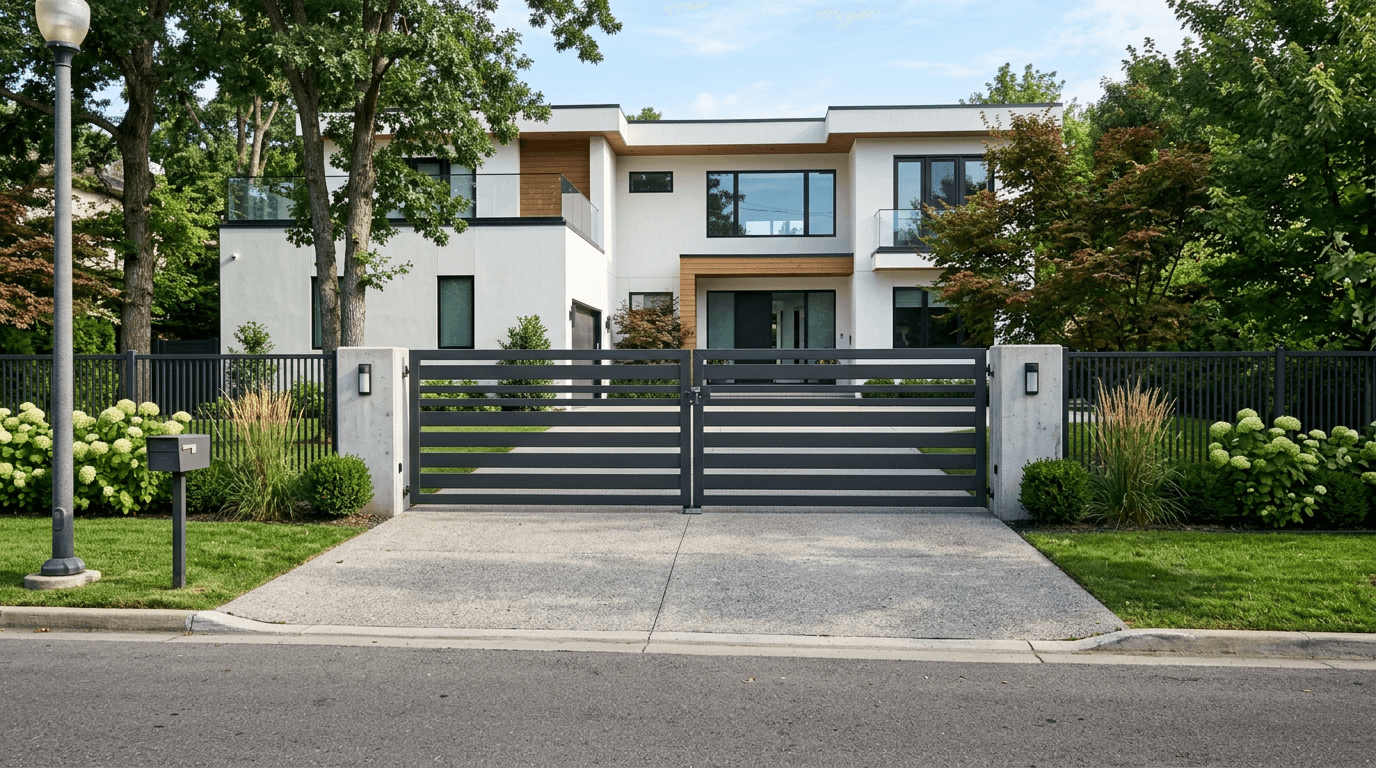
Swing or sliding gates sized to your driveway, with layout and material advice up front.
Repair
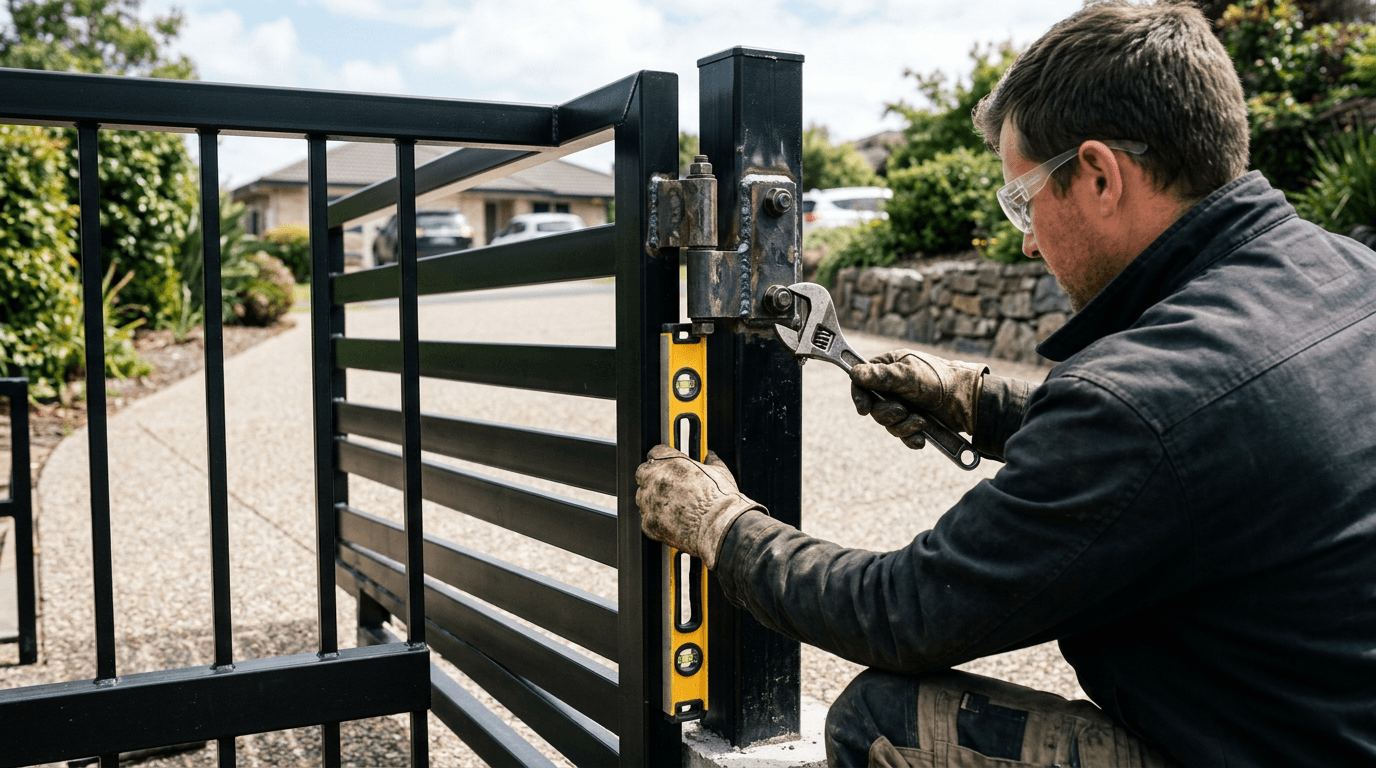
Fixes for sagging, sticking and damaged gates, from hinges and posts to welded sections.
Installation & repair
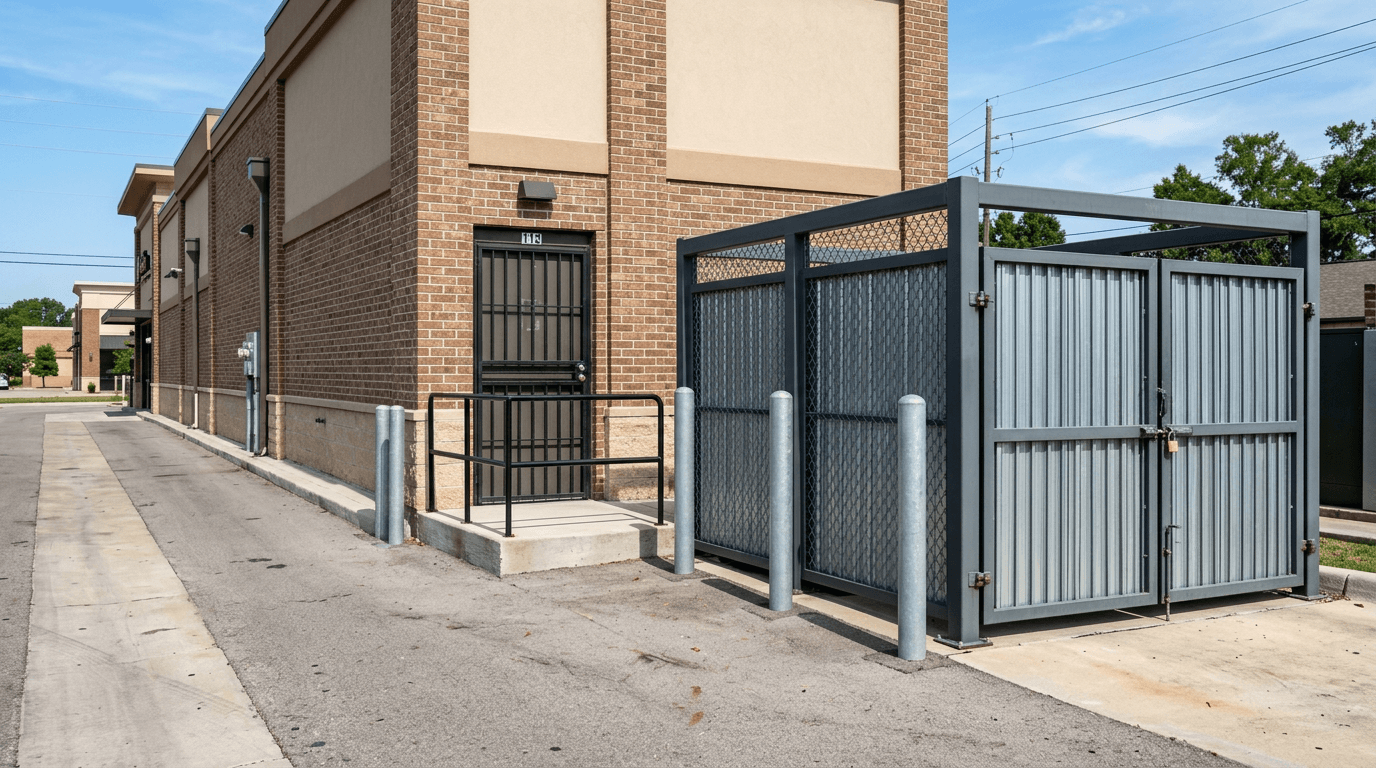
Bollards, enclosures, handrails, security gates and welding repairs for commercial sites.
Alpha Iron Work is based in Dallas and serves the whole metroplex. These service area pages offer more guidance for planning work in specific cities.
Call to discuss the work, the location, approximate dimensions, materials and scheduling. We will tell you what the job involves and what to expect next.
Every day, 8:00 AM–8:00 PM Central Time